

News

Home | Archive by category "News"
Drones in firefighting

Drones in firefighting

We’ve all seen it – fire engines and units racing down the streets, weaving through (or competing with) traffic – and they don’t know what they are going to get until they get there! So, by using the PROWL capabilities to plan a path from a station or depot to the location of the suspected incident, an automated drone can get there quickly and send back pictures of the crash, fire or other problem – allowing the fire service to send the right number and type of units.

With an autonomic drone, sent out to the incident scene rapidly, the emergency services can get a direct (aerial) view of the location. However, if getting the drone to the site requires a licensed pilot to have line of sight (FAA Rule 107, CASA (Australia) Part 101, CAA (UK) Article 94.3), or the drone could itself cause an accident by hitting obstacles, this requires that there is a change to deployment – the need to send a car or van to the site, with the drone and it’s pilot.

These rules exist, because there are no trustworthy alternatives to a person keeping a line of sight on the UAV / RPA, ensuring that it avoids obstacles. However, with PROWL, these laws and regulations could be modified to allow for autonomous drones that utilise a reference database of known hazards.

Are drones a danger to aircraft?

Are drones a danger to aircraft?

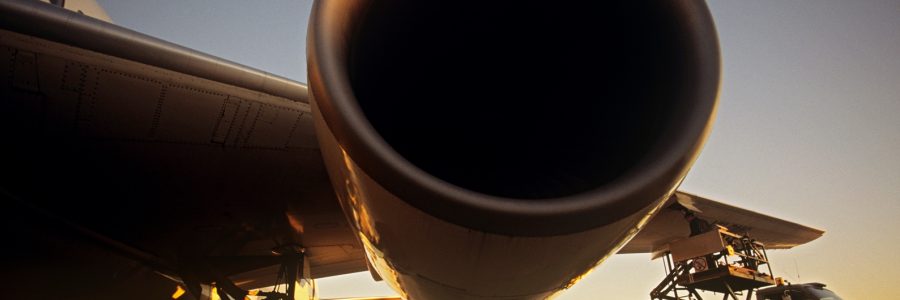
One major concern that has been raised about drones is the danger that they can pose to aircraft. In an article published on IFL Science, the author outlines some of the concerns about drones being in flight paths.

The PROWL system will not only allow drone users to plan to avoid airports and known airfields (complying with FAA and CASA laws), but can also draw upon flightplan information where an aircraft files it’s intention to fly in a new area – PROWL can access this information in the future, and using the expiry date feature, ensure that the flightpath is clear for the passenger aircraft, for the whole day that the aircraft has filed a plan to be in that area.

Delivery drones are not ready for business? Now they can be.

Delivery drones are not ready for business? Now they can be.

In a comprehensive article published on Inc, the author calculated that the flying time and weight carrying capabilities exclude drones from being able to deliver over long distances. Based on a single battery charge and carrying a weight, current drone technology cannot cover much distance, reducing their usefulness for delivery in anywhere other than metropolitan areas that are near a delivery depot.

With the PROWL system, flight paths can planned to maximise distance covered in the least amount of time – by navigating around and avoiding objects and hazards. If drones were able to fly from a depot to an elevated charging station (such as on top of a building), and then fly on to their destination, all without a human pilot and avoiding known objects that could interfere with their flight path.


Can drones be successful in policing? Now it’s closer

Can drones be successful in policing? Now it’s closer

A recent article in Line/Shape/Space outlined some of the history and benefits of drones in police work. However, there is more potential to be gained; not only can a drone observe a crime scene and assist in tracking criminals, but if it can get to the scene faster than a vehicle – it could significantly assist in locating the criminal near the scene, or assisting the police in sending the right number and type of units to assist. With the PROWL system, police drones could make their way to the scene quickly, and then stay over the area, with more confidence that when their camera is looking at the ground, the drone would automatically be able to keep away from hazards and objects.

In conjunction with a drone air traffic control system (or swarm control system between drones), multiple drones could be over a scene at the same time, and avoid each other, as well as overhead powerlines, antennas and high buildings.